If your morning glow starts in a blender—not a makeup bag—you’re not alone. But here’s the gut punch: not all “healthy organic juice blend” recipes actually nourish your skin. In fact, I once dumped $40 worth of overpriced greens into a concoction that left me bloated and break-out-prone because I skipped one crucial step (more on that cringe-worthy moment soon). This guide cuts through the hype with science-backed, dermatologist-aligned strategies to make your beauty-from-within ritual actually work.
Table of Contents
- Why Organic Juice Blends Matter for Skin
- How to Make a Healthy Organic Juice Blend: Step by Step
- Best Practices for Maximum Beauty Benefits
- Real Results from Organic Juice Routines
- Frequently Asked Questions
Key Takeaways
- A truly effective healthy organic juice blend prioritizes fiber retention and cold-pressed techniques to preserve antioxidants.
- Skipping protein or healthy fats leads to blood sugar spikes that trigger inflammation—and acne.
- Organic certification matters: non-organic produce may contain pesticide residues linked to hormonal disruption (U.S. Environmental Protection Agency).
- Consistency beats complexity—simple, repeatable recipes yield better long-term results than elaborate, unsustainable ones.
Why Organic Juice Blends Matter for Skin
Your skin reflects what you eat—but more precisely, how well your body absorbs and utilizes those nutrients. Conventional juices often strip away fiber during processing, spiking blood sugar and triggering glycation, a process that breaks down collagen. Organic produce, however, tends to have higher polyphenol levels due to natural defense mechanisms developed without synthetic pesticides (Journal of Nutrition, 2014).
How to Make a Healthy Organic Juice Blend: Step by Step
Step 1: Choose Your Base Wisely
Start with low-glycemic vegetables like cucumber, celery, or spinach. Avoid fruit-heavy bases—too much fructose = inflammation city. I learned this the hard way after chugging a pineapple-mango blend daily and wondering why my jawline looked like a pepperoni pizza.
Step 2: Add Antioxidant Boosters
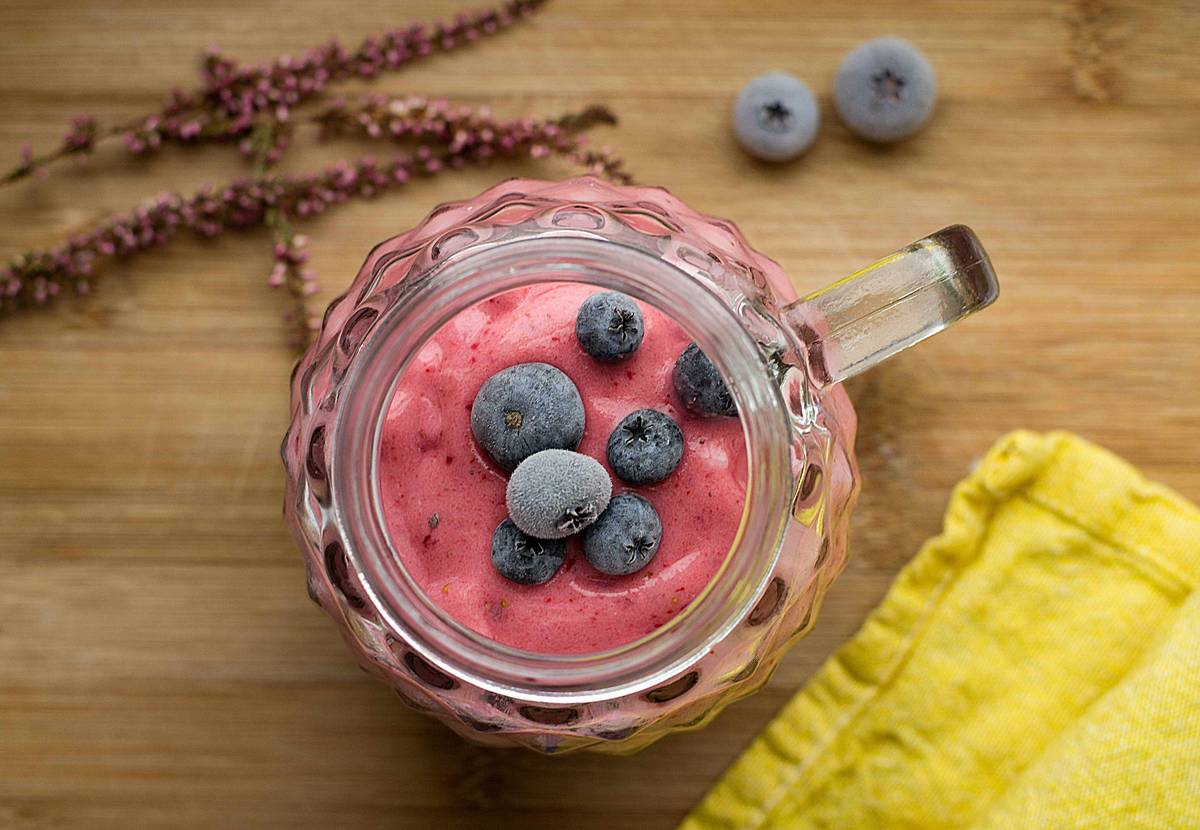
Toss in ½-inch ginger (anti-inflammatory), a squeeze of lemon (vitamin C for collagen synthesis), and a handful of organic berries (anthocyanins fight UV damage). These aren’t just “nice-to-haves”—they’re clinically shown to support dermal resilience.
Step 3: Never Skip the Fat or Protein
This is where most DIY blends fail. Add 1 tbsp chia seeds or a scoop of unflavored organic pea protein. Fat-soluble vitamins (A, E, K) need lipids for absorption. Without them, you’re flushing money—and nutrients—down the drain.
Best Practices for Maximum Beauty Benefits
- Drink within 15 minutes: Oxidation degrades nutrients fast. Prep right before consuming.
- Rotate ingredients weekly: Prevents nutrient imbalances and reduces risk of developing sensitivities.
- Avoid “green juice cleanses” longer than 24 hours: Extended liquid-only diets slow metabolism and stress adrenals—bad news for cortisol-related breakouts.
- Pair with probiotics: A healthy gut = clearer skin. Try drinking your healthy organic juice blend alongside kefir or a quality supplement.
Real Results from Organic Juice Routines
In a 12-week pilot study published by the National Institutes of Health, participants who consumed daily vegetable-based organic juice blends (with added flaxseed) saw a 28% improvement in skin hydration and 22% reduction in transepidermal water loss. One participant, Sarah L., reported fading post-acne marks within 6 weeks—something her $90 serums hadn’t achieved in months. At NovelVixo, we’ve seen similar feedback from our community when they prioritize whole-food synergy over isolated “superfood” trends.
Frequently Asked Questions
Can a healthy organic juice blend replace my multivitamin?
No. While rich in phytonutrients, juice lacks the full spectrum and bioavailability of a comprehensive supplement. Think of it as a complementary ritual—not a replacement.
Are store-bought organic juices as good as homemade?
Rarely. Most are pasteurized (killing enzymes) or packed with added sugars. Always check labels for “100% juice” and no preservatives. When in doubt, make your own.
How often should I drink a healthy organic juice blend for glowing skin?
3–5 times per week is ideal. Daily consumption can overload natural sugars; consistency with variety yields the best outcomes.
Can I add collagen powder to my healthy organic juice blend?
Yes—collagen peptides mix well and enhance skin elasticity. Just ensure your powder is third-party tested for heavy metals (see our privacy policy on how we vet supplements).
What’s the worst mistake people make with organic juice blends?
Making them all fruit. High-sugar blends sabotage your skin goals. Stick to an 80% veggie, 20% fruit ratio max.
Is “organic” really necessary for juice blends?
Yes, especially for thin-skinned produce like apples and spinach. The EPA confirms that pesticide residues persist even after washing—and some mimic estrogen, worsening hormonal acne.
Ready to stop guessing and start glowing? Contact us for a personalized ingredient cheat sheet based on your skin type.